The workshop
A small studio with a single obsession: cartography that is faithful to the original and beautiful on the wall.
We began with a drawer of old maps and a conviction that the great cartography of the past deserves to be lived with — not locked away in archives, but reproduced faithfully, finished by hand, and hung where it can be read every day.
How it started
Geovelle grew from a frustration shared by two collectors: the maps we loved were either unaffordable originals locked in dealers' folios, or cheap posters printed on thin paper with the soul stripped out. There was little in between — a faithful, well-made reproduction you could actually own.
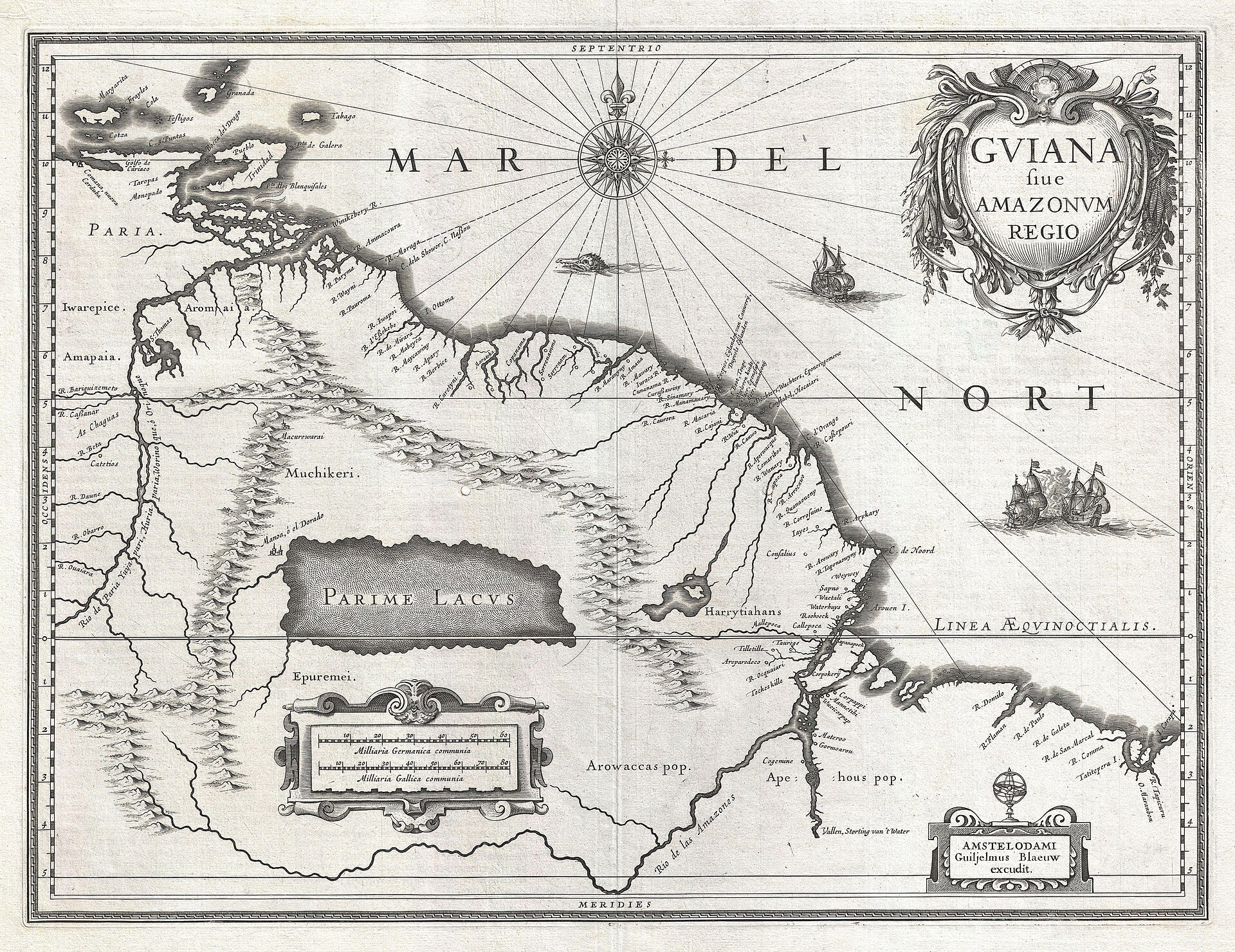
So we built it. We sought out the best available scans of public-domain plates — Blaeu, Homann, Pinkerton, the portolan charts — and learned to print them properly: archival pigment inks on cotton rag and heavy art paper, colour-matched to the original sheet rather than punched up for effect.
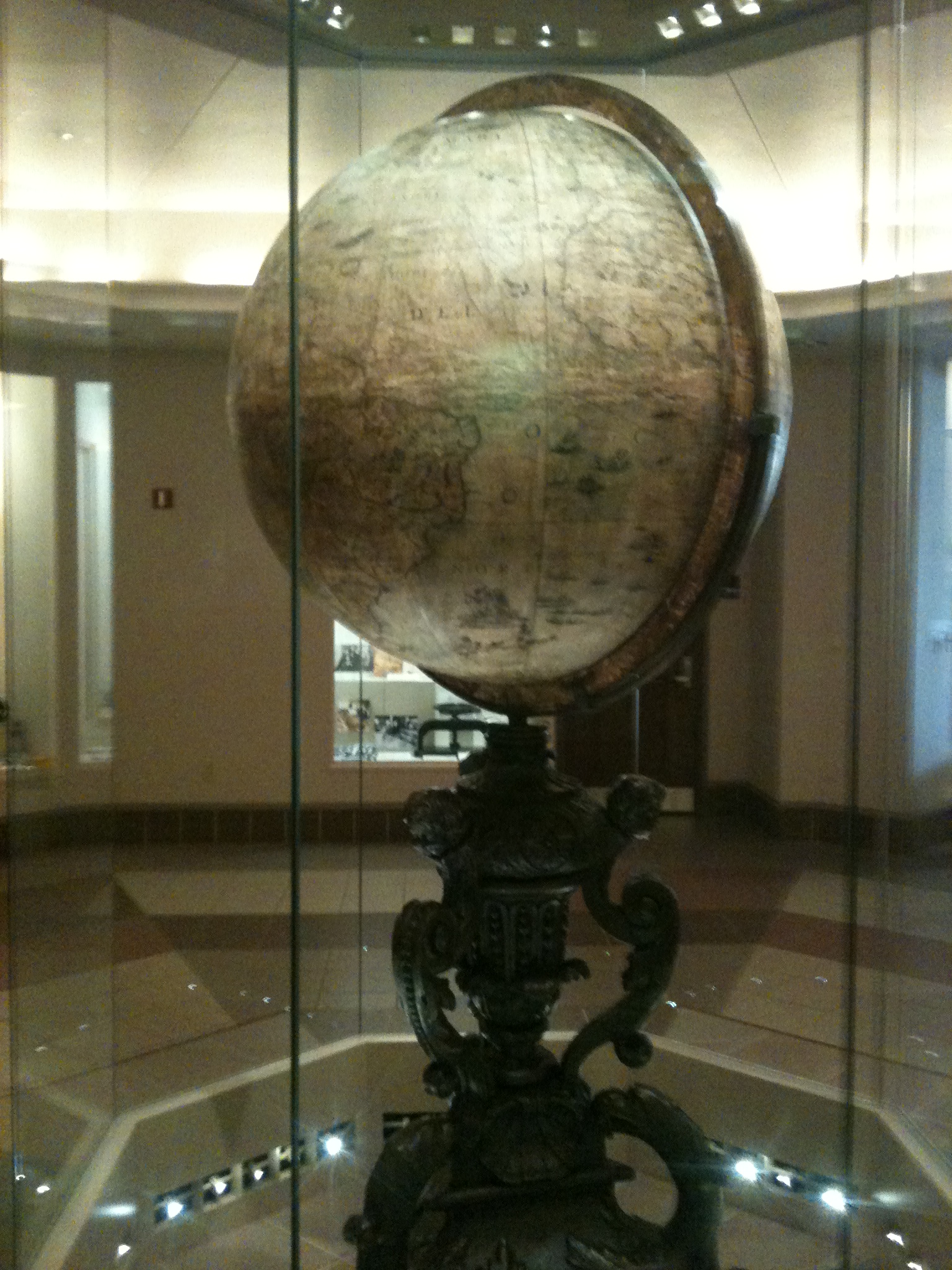
Alongside the maps we added globes built the traditional way, and the brass instruments a map deserves: loupes, dividers, rules and weights. Every piece earns its place by being both accurate and a pleasure to handle.
The workshop today
We print to order in small runs, mount with acid-free materials and frame in solid timber mouldings by hand. Globes are finished gore by gore over a hollow core. Nothing leaves the bench until the registration is clean, the colour is true and the frame sits square.
We keep the range deliberately tight: a handful of globes, a curated set of map and chart reproductions, three atlases and the instruments we use ourselves and recommend without reservation.
Standards
01
Fidelity to the original
We work from the best available source for each plate and colour-match to the original sheet — never punching up the palette for effect. The aim is the map as its engraver intended, not a stylised version of it.
02
Materials that last
Archival pigment inks on cotton rag and heavy art paper. Acid-free mounts and reversible hinges. Solid-timber frames. A map made this way will still look right in fifty years.
03
Honest about reproductions
Our maps are faithful reproductions, described plainly as such — never sold as originals. Every plate lists its source, date and scale. No spin, no false provenance.
From plate to wall
Sourcing the plate
We track down the cleanest high-resolution scan of each public-domain map or chart, then retouch only to remove scan artefacts — never to alter the cartography itself. Source, date and scale are recorded for every plate.
Proofing & colour
Each plate is proofed against a reference of the original sheet and colour-matched on calibrated equipment. We tune for fidelity to the engraver's tones, not for saturation, until the proof reads true.
Printing & globe-making
Maps print to order on cotton rag or heavy art paper with archival pigment inks. Globes are built the traditional way — twelve gores laid by hand over a hollow core so the seams meet cleanly at the poles.
Mounting & framing
Sheets are mounted with acid-free board and reversible hinges, then framed in solid-timber mouldings by hand. Rolled orders ship in sturdy tubes; framed pieces arrive ready to hang.
The studio
Master printer & framer
Team member — pending
Responsible for proofing, colour-matching, printing and all framing. Trained in fine-art reproduction and conservation mounting.
Sourcing & the cabinet
Team member — pending
Curates the map and globe selection, hunts down the best source plates, and manages instruments, logistics and fulfilment.